Libraries
National Libraries
American Memory
America's Story from America's Library
Library of Congress
Libraries & Homeschoolers: Working Together
Homeschooling Families Tap into Library Services, from Storytime to Science Equipment
Across the country, librarians are stepping up to serve families who choose to educate their children themselves. Libraries have an important role in advancing education in whatever format. Many libraries offer events for homeschool families and offer programs and services that cater to home educators.
Four Reasons Why Libraries are Homeschooling Hotspots
There are four reasons why libraries should be indispensable for homeschooling families. They offer resources and materials for homeschool students, individualized help and tutoring, activities and events for homeschoolers, and opportunities for parents.
Homeschooling: Exploring the Potential of Public Library Service for Homeschooled Students
As the number of homeschooled students rises in this country, needs for resources, instruction and support also has risen. The homeschooled students, while not participating in the school classrooms and by extension the school or public libraries, have needs that should be satisfied by library services. These include access to materials and technology, information literacy skills instruction, reading and writing support, curriculum materials and methods, reference services, as well as areas to “make and take”, facilities for quiet study or to meet with mentors or tutors. In addition, homeschooled students need the kind of library skills instruction that all students in traditional school libraries receive. The purpose of this study is to identify the strengths and weaknesses of library support to homeschooled students and to make recommendations based upon analysis.
19 Ways to Get the Most from Your Library
We all know the library is the homeschooler’s best friend. Where else can you go to find all those wonderful books, DVDs, and more for free? But your librarian can be even more helpful than you had realized. Here are some tips for getting the most from your library.
A Home Away from Home: Libraries & Homeschoolers

Serving Homeschooled Teens and Their Parents (Libraries Unlimited Professional Guides for Young Adult Librarians Series)
This guide for librarians addresses the needs of homeschooled teens and how a library can meet those needs. Includes ideas like developing a homeschool resource and book collection to creating special homeschool programs. While this book was written for library staff, it is also an insightful guide into how homeschoolers and libraries can work together.
Homeschoolers and Public Libraries: A Synergistic Relationship
Homeschoolers are commonly heavy users of their local libraries. Statistics show that more than 78 percent of home educators use the public library as their primary resource for curriculum supported materials. So, how do libraries become educational “hubs” for homeschoolers? They develop programs and services to support this burgeoning population by offering programs, digital information, and events that support homeschooling families. The energy and vibrant curiosity that home-educated children have, and the commitment and support their parents contribute, make libraries a better place for all.
Homeschoolers and the Public Library
Public libraries are invaluable tools for DIY educators and home education. Home-based educators utilize various curriculum sources to assist in teaching. The National Center for Educational Statistics published a survey from 2012, in which 70% of homeschooled parents cite the public library as their most valued resource. This article, written for the American Library Association, details how librarians can meet the needs and work in partnership with homeschooling families.
How to Homeschool Using Only the Library
The library is a wonderful resource for any homeschool parent. The resources found there help to enrich the curriculum or you can even use the library for all of your homeschooling material. These tips will help you get the most out of your local library.
Homeschool Library Connection
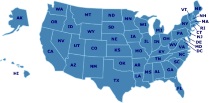
Looking for Another State?
Featured Resources
As an Amazon Associate, we earn from qualifying purchases. We get commissions for purchases made through links on this site.

Kids' Poems (Grades 1)

The Trivium: The Liberal Arts of Logic, Grammar, and Rhetoric

Minds More Awake: The Vison of Charlotte Mason

I Learn Better by Teaching Myself/Still Teaching Ourselves
